
Do your posts feel like they’re working less, even when you post more?
That frustration shows up everywhere in 2026. Feeds move faster. Audiences scroll harder. Platforms push new formats before you master the old ones. If you’re trying to plan content for the next six to twelve months, you need more than “post more video.”
This guide covers social media trends 2026 that show up across platform behavior, creator habits, and marketing reports. You’ll see what’s changing, why the change matters, and what to do next. The goal is simple: help you make choices that still work when the algorithm shifts again.
Short-form video stays dominant, but expectations rise
Short-form video still drives reach, but viewers now demand tighter editing and clearer value. People don’t want long intros or slow setup. Creators who win get to the point faster, then keep pace steady.
Brands face the same pressure. A “quick reel” that looks like an ad won’t hold attention. The best short videos feel like a creator made them for a friend. That tone builds trust, even when the goal is marketing.
What’s different in 2026 is the baseline quality. Average clips get ignored. Simple improvements—better lighting, cleaner audio, stronger first line—make a big difference again.
Social becomes a search engine for everyday decisions
More people use social apps like search engines. They search for products, local spots, tutorials, and honest opinions. This shift changes how you write captions, titles, and on-screen text.
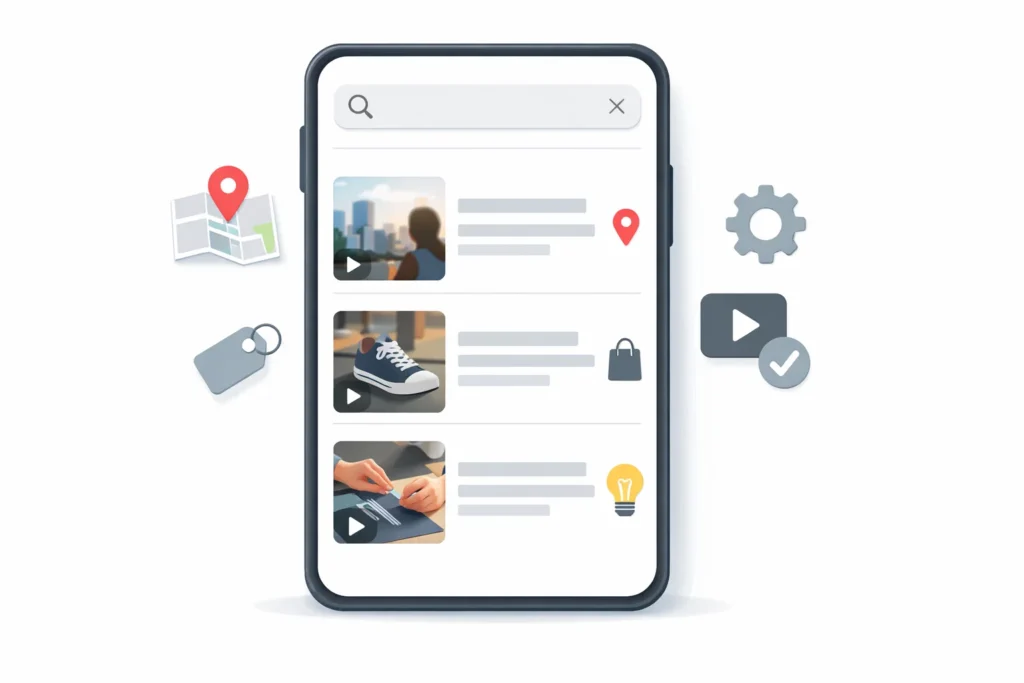
Creators now treat posts like mini landing pages. They include clear keywords and direct answers. They also keep a tight promise in the first seconds so viewers know what they’ll get.
If you want to benefit from social search, you need content that works without context. A viewer might find your post weeks later. The post still needs to make sense.
Serialized content beats one-off posts
Audiences like series because series reduce decision fatigue. When people know what they’ll get, people return. Brands benefit too because series creates a repeatable content engine.
A series can be simple. You can do “one tip every Monday,” “weekly tool test,” or “3 mistakes to avoid.” The key is consistency. When your audience expects a format, your content feels easier to follow.
Series also helps your creative process. You don’t reinvent the wheel every time. You refine a format that already works.
AI becomes normal, but “human proof” becomes the differentiator
AI tools are everywhere in 2026. Captions, edits, thumbnails, and scripts move faster with automation. The interesting part is what happens next: audiences still reward “human proof.”
Human proof looks like real testing, real stories, and clear context. People don’t want more content. People want content that earns attention. A short clip can still feel personal if you show what happened and why.
Here’s what “human proof” often looks like:
- A quick before/after with honest limitations
- A screen recording that shows the exact steps
- A simple story about a mistake you made
- A result shared with context, not bragging
AI helps speed up the work. Your judgment makes the post feel real.
Community-led growth gets more practical
“Community” used to mean likes and comments. In 2026, community means shared identity and repeated interaction. Brands build smaller spaces where the same people show up again.
You can build community without a private group. You can build community through recurring themes, inside jokes, and fast replies. You can also build community by making followers part of the process. Ask for opinions. Run quick polls. Share the results.
When people feel seen, people stick around. That loyalty matters more as reach becomes less predictable.
Comments become the new content layer
Comments are no longer a side effect. Comments are part of the product. Platforms surface comments more aggressively because comments keep users on the post.
Smart creators plan comment prompts on purpose. They ask questions that invite real answers. They pin useful replies. They turn comment threads into follow-up posts.
This also helps your brand voice feel human without trying too hard. You can show personality in replies. You can explain a point once, then link the next post to that discussion.
If your content ends at the caption, you’re leaving value on the table.
Creators become “trusted operators,” not just promoters
In 2026, the best creator content looks less like endorsement and more like guidance. Audiences want creators who teach, review, and explain. People follow competence and honesty.
This shift affects brand deals too. Strong partnerships focus on fit, not follower counts. Brands that win treat creators like partners with creative control.
When you work with creators, trust matters more than polish. A creator’s audience can spot a forced message quickly. A natural recommendation lands better, even if the video looks simple.
Shopping becomes more intentional, with “why buy” content
Impulse buying still exists, but more buyers ask, “Why this, why now?” That question pushes brands to create proof-based content: demos, comparisons, and long-term value.
This trend favors creators who show real usage. Instead of “this product is amazing,” viewers want: “Here’s what changed after two weeks.” They want honest trade-offs too.
If you sell something, plan content that answers the quiet doubts:
- Who is this actually for?
- Who should skip this?
- What does setup look like?
- What’s the realistic outcome?
When you handle those questions early, you reduce skepticism.
Measurement shifts from vanity metrics to “next-action” metrics
Likes still matter, but teams increasingly measure what happens after attention. That means saves, shares, profile visits, email clicks, and inbound messages.
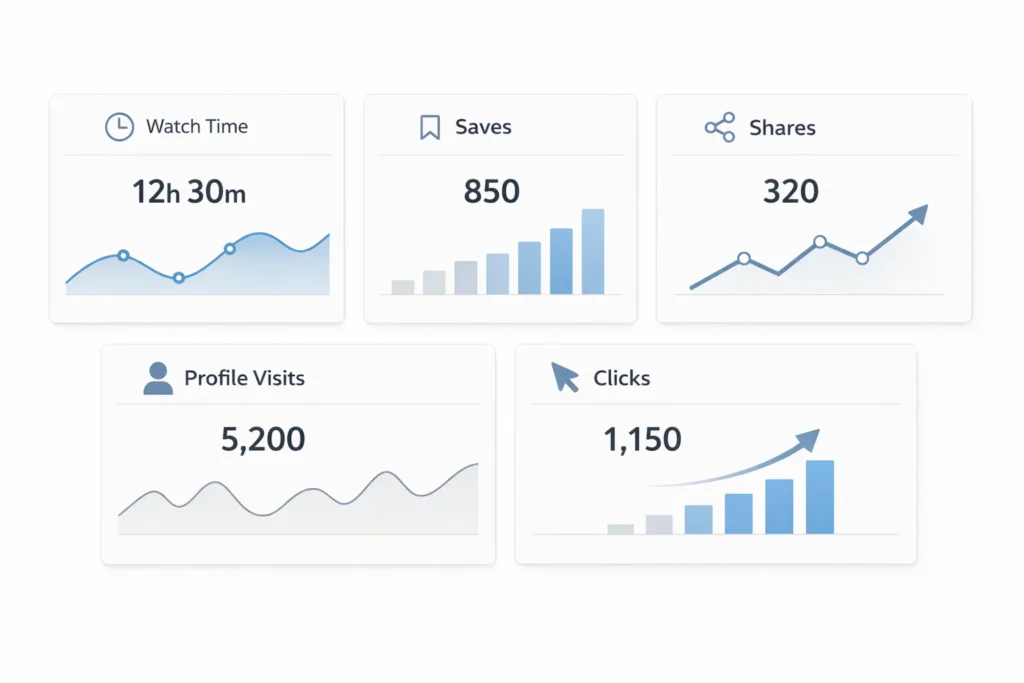
This is a healthier way to track performance because these actions show intent. A like can be casual. A save often means “I want this later.” A share often means “this helped me.”
A clean way to track performance:
- Awareness: reach + watch time
- Interest: saves + shares + profile visits
- Action: clicks + DMs + sign-ups
- Loyalty: repeat viewers + repeat buyers
If you measure the right thing, you’ll stop chasing empty reach.
Brand voice gets calmer and more specific
Audiences tune out loud marketing. In 2026, brands perform better when brands sound clear, direct, and specific. That often means fewer buzzwords and fewer big claims.
This is also where honesty becomes a strategy. “Here’s who this is for” can outperform “This is for everyone.” Clarity attracts the right people and repels the wrong ones. That’s a win.
Calm voice also makes your content easier to trust. You don’t need to sound dramatic. You need to sound sure.
Cross-platform short video expands beyond social apps
Short vertical video isn’t owned only by TikTok, Reels, and Shorts anymore. More platforms and media brands push short-form experiences because audience habits already exist.
The practical takeaway is simple: build a clip system. Record long, then cut short. Post the short clips where your audience already scrolls.
A simple clip system usually includes:
- One long recording per topic
- 5–10 short clips pulled from the best moments
- A consistent naming system so your team stays organized
- A weekly schedule so you don’t batch once and disappear
This makes your strategy less fragile because you’re not tied to one platform.
Conclusion
The biggest social media trends 2026 share one theme: attention is harder to earn, so clarity matters more. Short video stays strong, but audiences want purpose. Social search grows inside apps, so keywords and direct answers matter. Communities and comments matter because trust matters.
If you build a repeatable series, show real proof, and measure next-actions, you’ll be in a strong place—no matter which platform shifts next.
FAQs
What are the biggest social media trends 2026 for small businesses?
Social search, short video with real value, and consistent series content matter most. Small teams win by being specific and showing real proof.
Is AI content risky in 2026?
AI tools are normal now. The risk comes from publishing generic posts without context. Add examples, add experience, and keep the voice consistent.
Which platforms should brands focus on in 2026?
Focus on where your audience already spends time. Then match content format to platform habits. The “best” platform depends on your niche.
How do I adapt to social search?
Use clear keywords in captions and headlines. Answer common questions directly. Make posts that make sense even without extra context.
What should I measure instead of likes?
Track saves, shares, profile visits, clicks, and DMs. These actions show intent and often predict business results better.